Wool is a natural animal-derived fiber used in bedding for its springy texture, warmth, and ability to help regulate temperature. These characteristics make wool relevant to pillows and other sleep products, although it is not vegan. People comparing materials can consider this distinction alongside fiber sourcing and product certifications.
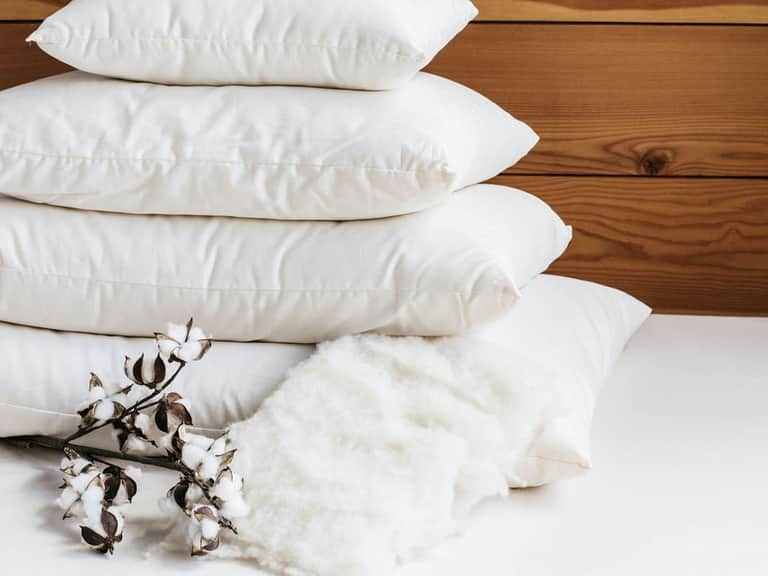
Certified Organic Wool Bed Pillows combine organic wool filling with a supportive pillow format. Wool fibers naturally compress and recover, helping a pillow maintain loft during use. The filling’s breathable structure can support airflow and manage moisture, while the pillow’s overall feel depends on its construction, fill amount, and outer fabric.
In bedding, wool pillows may suit sleepers seeking a resilient alternative to some synthetic fills or conventional down. Wool’s insulating properties can provide warmth without relying on a dense, heat-trapping feel. Pillow height and firmness remain important considerations, since appropriate support varies with sleeping position, body shape, and personal comfort needs.
Organic certification relates to defined standards for fiber production and processing; it does not by itself establish that a product is vegan, hypoallergenic, or suitable for every sleeper. Anyone sensitive to wool should review the pillow’s materials and care guidance. These details also help distinguish certified organic wool pillows from other bedding options.
Wool pillows are one part of a broader sleep environment that may include sheets, blankets, and organic mattresses or organic crib mattresses. For vegan households, plant-based or synthetic alternatives may better match material preferences. Comparing fiber content, certification scope, construction, and maintenance requirements helps clarify how each bedding product fits its intended use.
 Bedding